How Warehouse Signal Improvement Enhances Staff Safety and Work Efficiency
Maintaining safe, seamless, and efficient communication is essential in logistics and industrial environments. Yet many businesses still struggle with poor mobile connectivity inside large storage buildings. Thick concrete walls, steel shelving, machinery, and long aisles often weaken or completely block mobile phone reception. This is where warehouse signal improvement plays a crucial role. By boosting indoor connectivity, companies can significantly enhance both staff safety and operational productivity.
1. Safety Depends on Instant Communication
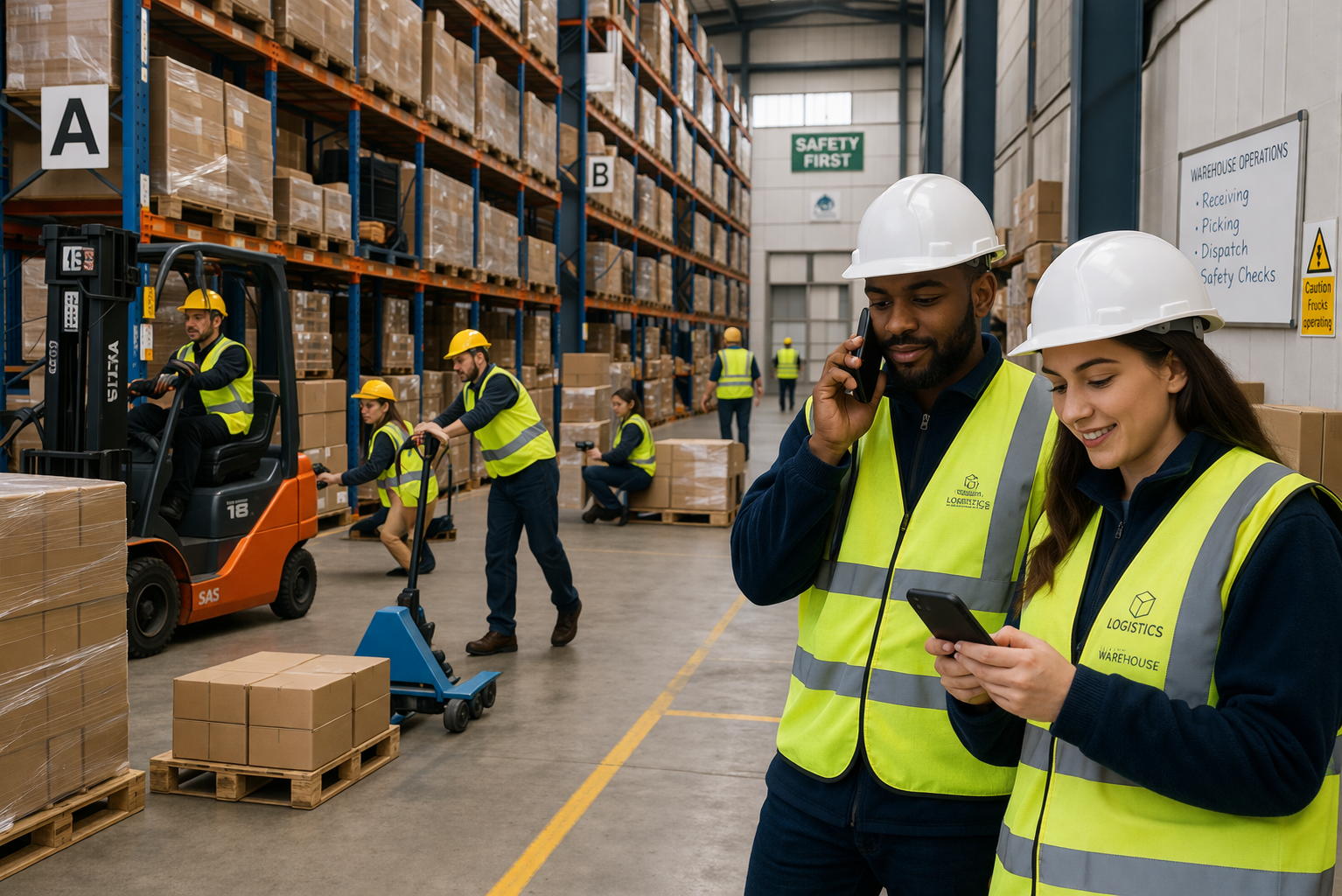
In a warehouse environment, emergencies can happen unexpectedly—equipment failures, injuries, fire alarms, or simple miscommunication between teams. When staff cannot rely on stable mobile or radio communication, response times slow down, and risks increase.
Improving warehouse signal ensures that all workers can communicate instantly, whether they need to alert supervisors, call emergency services, or report hazards. Clear communication reduces confusion, helps managers respond immediately, and creates a safer space for everyone. When staff feel that support is only one phone call away, they are more confident and more aware of safety protocols.
2. Faster Coordination Improves Workflow
Warehouse operations depend heavily on coordination. Pickers, forklift operators, supervisors, delivery drivers, and office teams must all remain connected during busy shifts. Weak connectivity leads to delays, missed messages, and unnecessary downtime.
When warehouse signal is strengthened, communication becomes smoother across all levels of the operation. Staff can receive instructions instantly, update order statuses, and resolve issues without stopping work to search for better reception. This helps teams complete tasks faster, reduces waiting times between processes, and contributes to a more efficient workflow throughout the facility.
3. Real-Time Data and Technology Depend on Strong Signal
Modern warehouses are becoming increasingly digital. Many rely on mobile scanners, tablets, cloud-based inventory systems, tracking apps, and digital safety tools. These systems require stable indoor connectivity to function effectively. Poor signal leads to syncing delays, lost data, and operational bottlenecks.
By strengthening warehouse signal, companies ensure that all devices stay connected when moving between aisles or scanning items in different sections. Real-time data updates mean greater accuracy across stock levels, fewer picking mistakes, and smoother integration with delivery and dispatch systems. This level of consistency reduces human error and creates a more reliable workflow.
4. Better Connectivity Supports Automation and Future Growth
As warehouses adopt automation technologies such as smart conveyors, autonomous robots, and IoT sensors, uninterrupted connectivity becomes even more critical. Machines must communicate with each other, and staff must remain connected to both automated systems and management tools.
Enhancing warehouse signal lays the foundation for future expansion and technological upgrades. With stronger signal coverage, businesses can introduce advanced equipment, improve stock monitoring, and implement real-time operational tracking without worrying about network disruptions. This supports growth and keeps the facility competitive in an evolving industry.
5. Improved Staff Morale and Reduced Stress
Poor connectivity can cause frustration among staff who depend on mobile communication for essential tasks and personal safety. Constantly moving around to find signal, waiting for messages to send, or trying to reach colleagues slows down productivity and increases stress on busy days.
When warehouse signal quality improves, employees experience a smoother and more reliable work environment. They no longer waste time dealing with technical issues or interruptions. This leads to better morale, improved job satisfaction, and a more engaged workforce.
6. Operational Costs Drop as Efficiency Rises
Stronger connectivity reduces delays, prevents mistakes, and shortens downtime caused by communication gaps. This improves productivity, which directly lowers operational costs. With faster coordination and less manual correction required, operational cycles become more streamlined.
Improving warehouse signal also helps reduce equipment damage and workplace accidents by enabling faster reporting and better awareness of ongoing activities. Over time, this results in significant cost savings for the business, especially in large facilities where disruptions can be expensive.
Conclusion
Improving warehouse signal is no longer a luxury, it is a critical investment in safety, efficiency, and long-term growth. With stronger connectivity, staff can communicate instantly during emergencies, coordinate daily tasks more effectively, use digital tools without interruptions, and work with greater confidence. Businesses benefit from enhanced productivity, reduced errors, improved morale, and future-ready infrastructure.
For warehouses aiming to protect their teams and improve performance, investing in signal improvement solutions is one of the most impactful and cost-effective steps they can take.
Kindly note that you are only allowed to install a signal booster that is approved by Comreg in the Republic of Ireland