Commercial and Domestic Signal Boosters: What’s the Difference and Which One Do You Really Need?
Commercial and Domestic Signal Boosters Explained
In today’s hyper-connected world, reliable mobile connectivity is no longer a luxury — it’s a necessity. From remote working and mobile payments to video calls and emergency communications, weak signal can be frustrating, disruptive, and costly. Unfortunately, poor mobile coverage remains a common problem across Ireland due to rural geography, thick stone buildings, steel structures, and distance from mobile masts.
This is exactly where commercial and domestic signal boosters come into play. These powerful devices amplify weak mobile signals, turning unreliable coverage into strong, usable connectivity. However, choosing the wrong type can lead to wasted money, poor performance, and ongoing frustration. Understanding the difference between commercial and domestic signal boosters is essential to making a smart, cost-effective decision.
Coverage Area: Size Really Matters
One of the biggest differences between commercial and domestic signal boosters is the coverage area they are designed to handle.
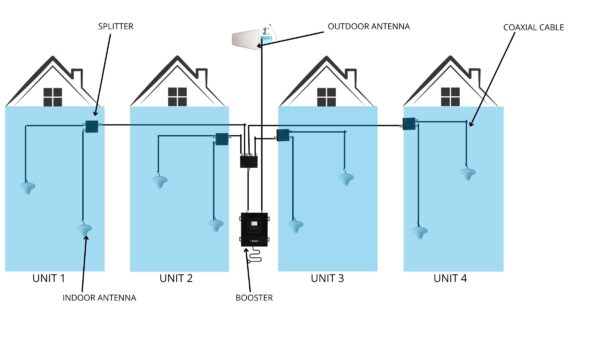
Commercial Signal Boosters are built for large, demanding environments such as office buildings, warehouses, hotels, hospitals, factories, and shopping centres. They are engineered to cover thousands — sometimes tens of thousands — of square feet, often across multiple floors. These systems deliver consistent signal strength through thick concrete, steel, and stone walls while supporting many users and multiple networks simultaneously.
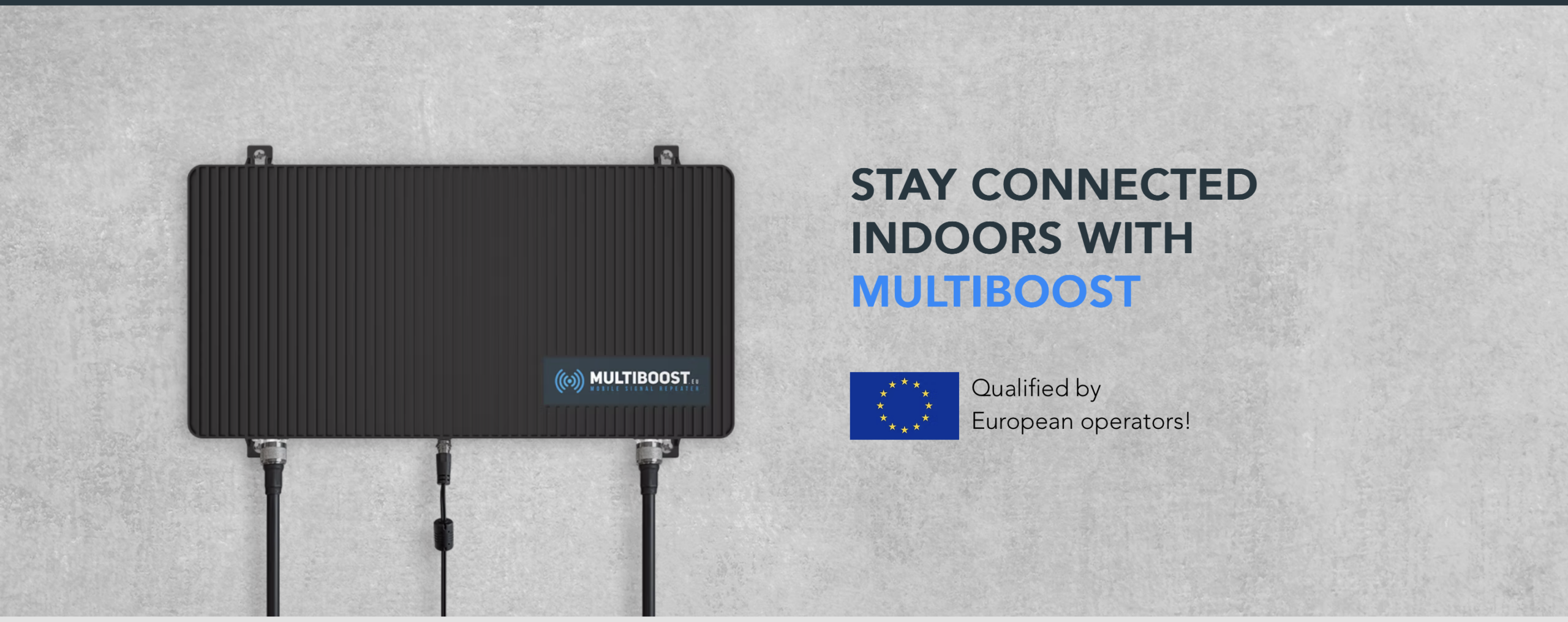
Domestic Signal Boosters, on the other hand, are designed for homes, apartments, farmhouses, and small offices. They typically cover a few rooms or an entire house, depending on the model. While they are less powerful than commercial systems, they are highly effective for residential use and eliminate dead zones caused by walls, insulation, and poor outdoor signal.
Choosing the wrong coverage level can be a costly mistake — too small and it won’t work, too large and you overpay.
Power and Performance: Heavy-Duty vs Everyday Use
Power is another critical factor separating commercial and domestic signal boosters.
Commercial boosters deliver high-gain amplification to support heavy traffic, multiple devices, and continuous use. They often include advanced features such as automatic gain control (AGC), oscillation detection, and intelligent signal balancing. These features ensure maximum performance without interference, even in harsh environments with fluctuating signal strength.
Domestic boosters are less powerful but far from weak. They are optimised for everyday use — calls, data, streaming, and remote working. While they support fewer users, they still provide stable, reliable signal and include built-in protections to remain fully compliant with mobile networks.
Installation Complexity: Professional vs DIY
Installation is another major difference between commercial and domestic signal boosters.
Commercial systems usually require professional planning and installation. This includes signal surveys, antenna placement, cable routing, and system calibration. While this adds complexity, it ensures flawless coverage and long-term reliability in large buildings where poor setup can cause interference or signal gaps.
Domestic signal boosters are designed with simplicity in mind. Most come as DIY kits that can be installed quickly with minimal technical knowledge. For homeowners and small offices, this means faster setup, lower costs, and immediate results.
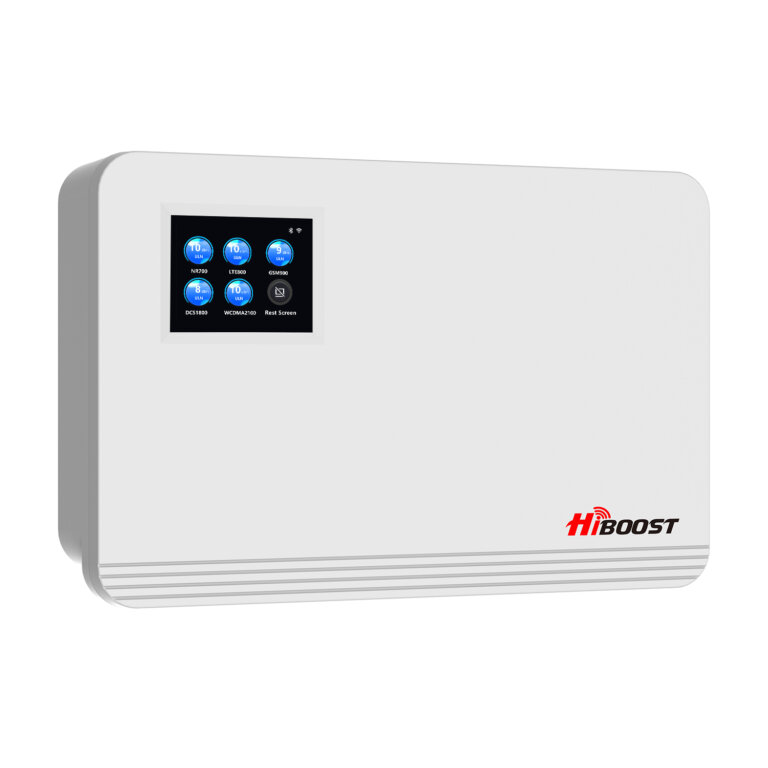
Cost: Investment vs Affordability
There’s no denying the price difference between commercial and domestic signal boosters.
Commercial boosters are a significant investment due to their power, scalability, and advanced features. However, for businesses, the cost of dropped calls, lost productivity, failed card payments, and unhappy customers is far greater than the upfront expense.
Domestic boosters are far more affordable and accessible. They offer excellent value for money and are ideal for households suffering from unreliable mobile signal especially in rural Ireland.
Buying the wrong system can be an expensive mistake, which is why expert advice matters.
Conclusion: Choose Smart, Stay Connected
The choice between commercial and domestic signal boosters depends entirely on your environment, usage, and expectations. Commercial systems are essential for large buildings and high-demand environments, while domestic boosters are the perfect solution for homes and small offices battling weak indoor signal.
Most importantly, always choose licence-approved equipment. In Ireland, all signal boosters — commercial or domestic — must be ComReg approved to ensure safety, legality, and optimal performance.
If you’re unsure which solution is right for you, our experienced technical team is ready to help you avoid costly errors and ongoing signal problems.
📞 Call: +353 12332370
📱 WhatsApp: 089 963 7584
📧 Email: [email protected]
With expert guidance and the right signal booster, you can turn poor coverage into powerful, reliable connectivity once and for all.